
Written by :
Published on :
Sports trading has become the dominant category on Kalshi, with activity accelerating sharply throughout 2026. NFL games have attracted enormous trading volume, while MLB markets have expanded the range of outcomes available to traders. Pew Research Center found that sports trading on Kalshi rose from $8.52 billion in February 2026 to $31.40 billion in July. The World Cup helped drive the summer surge, but football picked up the work once the NFL returned. Baseball has grown alongside it, with Kalshi now offering game outcomes and player propositions as well as season futures. An event contract remains simple at heart. You buy a position on whether a stated outcome will happen. Yet the range of questions now available can make the experience far more detailed than choosing one team to win.
Football Gave Sports Contracts Their Breakthrough
Kalshi's growing sports offering has also attracted attention from betting comparison platforms. SportsbookReview, for example, tracks the platform's latest Kalshi promotional offers and provides its own SBR35 code for eligible new users. However, the platform's growth is more apparent in its trading activity, particularly during major sporting events.
The opening weekend of the 2026 NFL season showed how much activity these contracts could attract. Reuters reported approximately $3.12 billion in prediction-market trading on Sunday, September 13, while Kalshi's Week 1 NFL contracts recorded more than $590 million in volume. The Cowboys-Giants game alone generated $112.8 million.
Baseball Adds More Ways to Follow One Game
MLB broadens the menu because baseball produces a plethora of measurable events. Kalshi's baseball hub separates games from futures and awards. Individual match pages can include moneyline-style winner contracts and total runs. Some also list player propositions covering home runs or strikeouts. So a trader can follow one evening from several angles without waiting for the World Series market to settle months later.
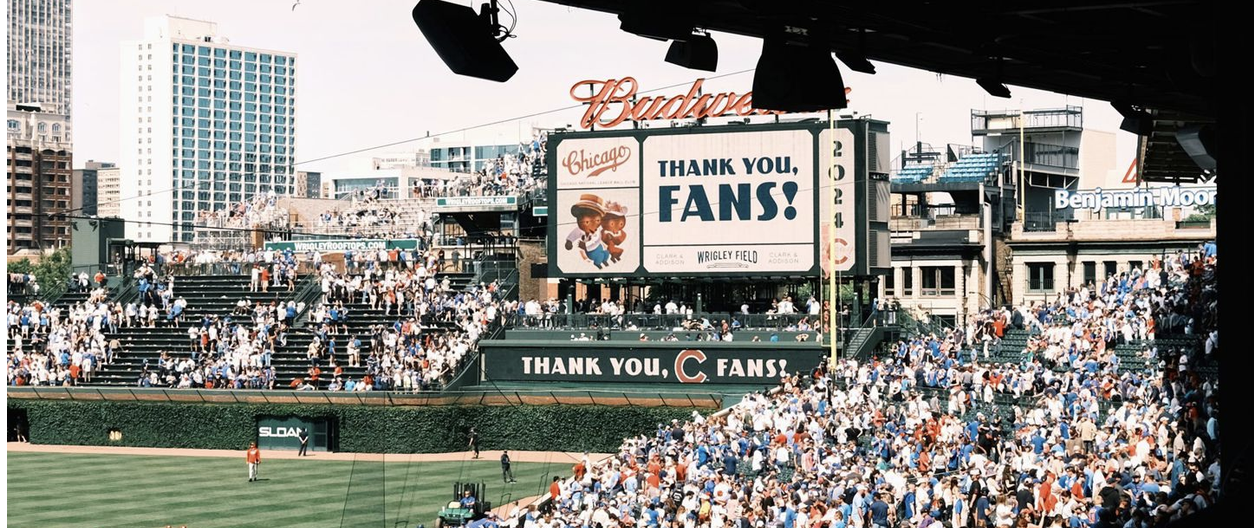
Kalshi's growing presence in baseball extends beyond its trading platform. In August 2026, the company announced partnerships with five MLB teams: the Los Angeles Dodgers, Atlanta Braves, San Diego Padres, San Francisco Giants, and Boston Red Sox. Kalshi also reported that baseball trading volume had increased 36 times year over year.
The agreements give Kalshi greater visibility through stadium advertising and team promotions. Its partnership with the Dodgers, for example, includes stadium signage and naming rights to the Kalshi 435 Club at Dodger Stadium. These arrangements expand Kalshi's commercial presence in MLB rather than introducing an entirely new category of baseball contracts.
How MLB Prediction Markets Differ From NFL Markets
The biggest difference between NFL and MLB trading is how often games take place. An NFL team plays 17 regular-season games, usually spread across weekly matchups. MLB teams play 162, with games taking place almost every day throughout the season. That gives baseball traders a much more frequent schedule of events to follow.
The types of contracts also reflect how differently the two sports work. NFL markets can focus on game winners, point spreads, total points, and individual performances such as passing yards or touchdowns. Baseball offers its own range of questions, from game results and run totals to whether a particular batter will hit a home run or how many strikeouts a starting pitcher will record.
These differences also change what information traders pay attention to. In football, an injury to a starting quarterback can significantly affect expectations for an entire game. In baseball, a late pitching change, bullpen availability, or even the weather at a particular ballpark can influence how individual contracts are priced.
There is also a difference in how trading activity is distributed. NFL games attract attention around a relatively small weekly schedule, while baseball provides a steady stream of matchups throughout the summer. During the postseason, that changes again, with fewer MLB games and greater attention on individual playoff series and the World Series.
For Kalshi, having both sports means offering different ways to follow a season rather than simply adding more teams to its platform.
Event Contracts Can Get More Specific Than a Winner
All of this is laid out in federal government filings. CFTC documents from August show products for MLB outcomes, for hits, hits for a team, run lines and player data for runs scored and ability. In short, anything you would reasonably want to bet on. While these filed packages are for the broader exchange industry and not Kalshi exclusively, they demonstrate the contract structure taking shape in the pay-for-performance world of MLB.
On the platform itself, a baseball contract may switch from final result to innings or player performance. You need to know different things. If you are betting on who will win the game, your pick might depend on the starting pitcher and the bullpen. But if you're betting on a strikeout contract, you only need to focus on one pitcher and the other team's order. More options mean more rules for you to understand. Or less, if you only want to focus on how one player fares in specific conditions.
The Trading Format Changes the Experience
Traditional sports betting begins with odds set by an operator. An exchange-style event market helps traders take positions on opponents. Prices can change as fresh orders come in. For example, if a Yes contract is trading at 58c, your screen displays that as approximately a 58% market-implied probability. You can sell to someone else before the event settles.
That structure can influence how people engage with a game. Ayush Jha, James W. Kemper, Alejandro Abarca, and Freddie Papazyan examined NFL moneyline trading in a 2026 working paper on attention and price formation. Their data indicated that the typical participant held only one contract at a time. This finding suggests that many users focus on a single sporting question instead of managing a diverse portfolio as a professional asset trader might.
Sports Now Dwarfs Kalshi's Other Categories
Pew's July data gives the expansion some perspective. Kalshi recorded about $31.4 billion in sports volume that month. Cryptocurrency ranked second at around $6.1 billion. Politics remained below $200 million. The platform therefore carried more than five dollars of sports trading for every dollar in its crypto category during July.
Someone who already follows Bitcoin may recognise the idea of watching a price change throughout the day. A sports contract adds a different source of information because a touchdown or home run can alter expectations within seconds. You are not watching an asset with an open-ended future value. The contract ends with a defined result and pays according to that outcome.
Prediction Markets Are Taking a Larger Share of Sports Activity
Prediction markets are also attracting a growing share of sports-wagering app users. Sensor Tower found that traditional sportsbooks' share of monthly active users in its US sports-wagering cohort declined from 76% in 2023 to 64% in the first half of 2026. Prediction markets grew from less than 1% to 16% over the same period. Those figures measure app engagement rather than betting revenue or trading volume.
Those percentages do not make the two formats identical. State regulators oversee conventional wagering where it operates legally. Kalshi runs as a federally regulated derivatives exchange. Courts and regulators continue to argue over how far that federal framework should extend into sports. For the customer, the resemblance can still feel strong when both products ask for a view on the same Sunday game.
More Choice Puts More Weight on the Contract Rules
A baseball contract that asks whether a game will exceed 7.5 runs looks easy to understand. The settlement wording still deserves attention. Kalshi identifies the scheduled game and the threshold. Its market pages also name MLB as the source used to verify outcomes. Player propositions need their own definitions because a postponed game or changed starter can affect how a contract resolves.
Prices need context as well. A contract showing 60 cents tells you where trading has put the outcome at that point. It does not guarantee a 60% result. Seungju Lee, Yebon Lee and Jaewook Lee studied 41.8 million Kalshi transactions across 1,496 NBA and NFL games. They found that prices underreacted to scoring information over short periods. Their tested trading approach did not produce robust profits after conservative costs, which is a useful reminder that spotting a pricing delay and profiting from it are different jobs.
What Kalshi's Expansion Means for Sports Fans
Kalshi's growth in sports prediction markets isn't simply about adding more contracts. The NFL demonstrated how much trading activity a single high-profile game could generate, while MLB gives the platform a different type of audience engagement built around a much longer season and a wider variety of individual performances.
The company's partnerships with five MLB teams are another sign of that growing presence. They bring Kalshi branding into baseball stadiums and team promotions, although they don't necessarily represent newly introduced trading markets. Baseball contracts were already available before those agreements were announced.
That distinction matters. Kalshi's expansion into mainstream sports is happening through both greater trading activity and commercial partnerships, rather than one sudden launch of baseball predictions.
For users, the result is a broader selection of sports events to follow, with different schedules, contract types, and factors influencing prices. Whether that makes any particular trade worthwhile is another question, and one that still depends on understanding the contract rules, fees, and risks involved.