
Written by :
Published on :

In 2025, the global games market is expected to generate nearly $189 bln in annual revenue, with more than 3.5 billion people playing in some form. That is larger than the recorded-music business and comparable to the combined value of the film and television industries. Behind those headline figures sits a more intimate question many young players ask themselves late at night in front of a glowing screen: can this become a job rather than just a pastime?
For some, that question briefly blurs into visions of instant winnings. Real careers are slower, more methodical, and grounded in contracts, audiences, and skills. Adverts for casino online platforms and offshore betting apps promise a shortcut from bedroom to riches, even though in many countries regulators are tightening rules and, in places like Bangladesh, explicitly banning most forms of online gambling. For anyone treating gaming as a profession, those offers are a distraction at best and a legal risk at worst.
Esports salaries
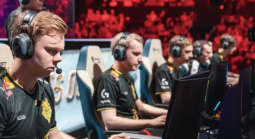
The most visible gaming professionals are esports players. At the top of that pyramid sit a handful of names whose tournament earnings rival those of elite athletes. Danish Dota 2 player Johan “N0tail” Sundstein, for instance, has amassed more than seven million dollars in prize money over his career, thanks mainly to back‑to‑back victories at The International in 2018 and 2019. His story is the exception, not the rule, but it sets the ceiling.
More typical are the salary bands seen in franchised or well‑organised leagues. In the Overwatch League’s early years, player contracts mandated a minimum salary of $50,000 per year, and reports put average annual earnings, including prize‑pool shares and bonuses, in the low six figures. League of Legends pros on top teams such as T1 or G2 Esports are now estimated to earn between $100,000 and $500,000 per year in base salary, before any sponsorships or Worlds prize money. In smaller regions and lower divisions, annual salaries can drop to twenty‑five thousand dollars or less, often with shorter contracts and less stability.
The streaming economy
If esports is gaming’s arena football, streaming is its permanent street parade. On Twitch, YouTube, and regional platforms, the most successful creators earn money from subscriptions, advertising, sponsorships, and donations. Public estimates suggest that top‑tier streamers such as Ninja or xQc can earn $100,000 to $500,000 per month from a mix of platform revenue and brand deals, with peaks above that during exceptional periods. Mid‑tier creators who attract a few hundred paying subscribers and consistent ad views may earn five thousand to thirty thousand dollars per month, depending on geography, tax, and cost of living.
These numbers are impressive but fragile. The same lists that once put Ninja at the top of Twitch follower rankings now show Spanish‑speaking creators like Ibai Llanos leading the platform, reminding would‑be professionals that language, time zone, and local culture can all reshape an audience in a few seasons. Streaming is also intensely competitive and algorithm-driven; many creators hover at or below minimum wage once equipment, taxes, and healthcare are factored in.
Coaches, casters, and creators
Not everyone who works in professional gaming appears on stage or in a face‑cam. As leagues mature, so do the supporting roles around them. Esports coaches and analysts for top League of Legends, Valorant, or Counter‑Strike 2 teams often earn salaries comparable to mid‑tier players, particularly when they move between high‑profile organisations in Korea, Europe, or North America. Team managers, sports psychologists, and performance staff work on more conventional sports‑club contracts, with pay scales matching the size and ambition of their organisations.
On the media side, shoutcasters and desk hosts draw from the vocabulary of traditional sports. The most prominent English‑language commentators at events such as the League of Legends World Championship or the Esports World Cup can command comfortable salaries from publishers and tournament organisers, supplemented by freelance streaming and consulting work. Further along the chain, video editors, motion designers, and social‑media managers keep highlight clips and short‑form reels flowing; their pay ranges from entry‑level to senior-producer levels.
2025-2030: realistic ranges, not promises
Between now and 2030, most analysts expect the overall games market to continue growing steadily rather than explosively, reaching more than $200 billion in annual revenue by the end of the decade. Esports prize pools will have spectacular peaks, yet only a fraction of professionals will ever touch those finals.
For a talented player in a major esports, a realistic outcome by the late 2020s might be an annual package of fifty to one hundred and fifty thousand dollars in salary and prize shares, with a short career and heavy travel. A successful full‑time streamer or content creator might match that, but only after building a loyal audience over years and diversifying into sponsorships, merchandise, and perhaps a second channel or business. The long tail will still consist of semi‑pro players who make a little money alongside a study or another day job.
Choosing your path
The biggest misconception about gaming as a profession is that it revolves around a single big win. In reality, it looks much more like other creative careers: a handful of stars, a stronger but still precarious middle class, and many hopefuls who never quite convert their skills into a living. As regulators move to clamp down on unlicensed gambling, the idea of funding a gaming life through quick wagers on matches or slot‑style apps becomes less viable and more dangerous.
Between 2025 and 2030, the healthiest professional paths in gaming will remain those built on skills with clear market value: mechanical excellence, communication, design, engineering, and analysis. Some spectators will continue to use licensed betting apps on the side, and mobile products marketed under the melbet app download banner will sit on the same home screens as esports streams and coaching tools. Still, those icons are best treated as optional entertainment rather than as a source of wages. The real calculation for anyone standing at that crossroads is not just how much they might earn, but how much risk and sacrifice they are willing to carry into a future that still looks, in many respects, like an experiment.