

Written by :
Published on :
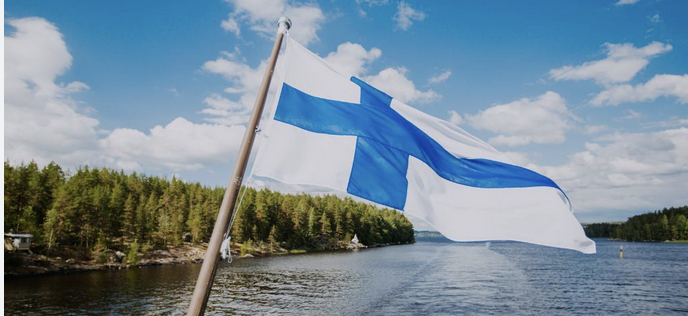
Finland is preparing for a historic shift in its gambling landscape as the country moves toward opening its online gambling market to foreign and private operators in 2026. The planned reform will dismantle Veikkaus’ long-standing monopoly over online casino games and betting, replacing it with a licensing-based system. This change follows years of political debate, increasing player migration to offshore platforms, and pressure to modernize regulation in line with other European markets.
For international online casino companies, the reform marks a rare opportunity to enter a digitally advanced and highly regulated Nordic market through legal channels. Finnish players, meanwhile, are expected to gain access to a broader selection of licensed platforms operating under local rules, including stricter consumer protections and transparency requirements. Operators such as Wildz Casino, which currently attracts attention with offers like a 100% bonus up to €500 along with 200 free spins, reflect the type of international brands positioning themselves for a regulated Finnish market. The upcoming transition signals one of the most significant regulatory overhauls in Finland’s gambling history, with wide-reaching implications for operators, regulators, and consumers alike.
Context — What’s Changing in Finland
For decades, Finland’s gambling system has been dominated by a state-controlled monopoly, with Veikkaus holding exclusive rights over most gambling activities, including online casino games and sports betting. While the monopoly was originally designed to control gambling-related harm and channel proceeds into public welfare, its effectiveness has weakened as player behavior has changed.
A growing number of Finnish players now choose offshore online casinos that operate outside the national system, resulting in significant revenue leakage and reduced regulatory oversight. These shifts, combined with digital innovation and increased competition across Europe, have pushed Finnish authorities to reconsider the monopoly model and move toward a regulated licensing framework that better reflects modern gambling habits.
The Reform Timeline
The Finnish government has formally submitted a legislative proposal aimed at ending the gambling monopoly by the end of 2026 and replacing it with a licensing-based system, according to official statements from Valtioneuvosto. Under the current plan, licence applications for online casino and betting operators are expected to open as early as March 2026, allowing regulators time to assess applicants before the new market becomes operational in 2027, with some estimates pointing to a mid-2027 launch. The reform process has not been without obstacles, as parliamentary committees and constitutional reviews have raised concerns over regulatory scope, consumer protection, and enforcement powers, leading to careful scrutiny and potential timeline adjustments before final approval.
What the New Licensing System Involves
Finland’s planned licensing model will replace the monopoly structure with a regulated system allowing private operators to apply for business-to-consumer (B2C) gambling licences, while software providers and platform suppliers may be required to register under a separate business-to-business (B2B) framework. Licensed operators will need to meet strict regulatory standards, including robust identity verification, anti-money laundering controls, responsible gambling tools, and full technical compliance with Finnish oversight requirements. The system is also expected to impose firm restrictions on marketing practices, particularly around advertising visibility, influencer promotions, and bonus communication, alongside enhanced player protection measures such as loss limits and self-exclusion mechanisms, ensuring that competition does not come at the expense of consumer safety.
Impact on Foreign Online Casinos
The upcoming reform creates a major opening for foreign online casino brands that have until now operated outside Finland’s legal framework, allowing them to seek official licences and establish a regulated presence in the market. Finland’s high internet penetration, widespread use of digital banking, and tech-savvy population make the country particularly attractive to international operators looking for stable, long-term growth in Northern Europe. In response, many companies have already begun preparing for entry by adapting their platforms to Finnish language requirements, responsible gambling standards, and expected marketing restrictions, while internally organizing compliance teams and licensing strategies to align with local regulations as the application process approaches.
Veikkaus and Domestic Implications
Despite the shift toward a competitive licensing system, Veikkaus will retain exclusive rights over certain gambling activities, including national lotteries, scratch cards, and land-based slot machines, according to government plans. In the online segment, Veikkaus is expected to transition into the new framework by applying for a licence similar to private operators rather than operating under a monopoly position, placing it in direct competition with foreign entrants. This structural change may have notable domestic consequences, as Veikkaus has traditionally channeled gambling revenues into public welfare, culture, and sports initiatives, meaning increased competition could affect funding levels, employment structures, and the overall redistribution model that has long been tied to Finland’s state-controlled gambling system.
Player Benefits and Risks
The opening of Finland’s online gambling market is expected to give players access to a wider range of licensed casino platforms operating under Finnish supervision, increasing choice while ensuring clearer rules, transparent game standards, and stronger consumer protections. Regulated competition may improve service quality and reliability, particularly through enforced responsible gambling tools and clearer dispute resolution. At the same time, increased competition could encourage more aggressive promotional strategies and bonus-driven offers, raising concerns about gambling intensity and player harm, which is why authorities are expected to closely regulate marketing practices and impose strict safeguards to balance market openness with player safety.
Economic and Regulatory Stakes
Finland’s move to a licensed online gambling market is expected to redirect a significant share of gambling revenues back into the national economy through taxation and licensing fees, reducing the outflow of money to offshore operators. By bringing foreign casinos under Finnish jurisdiction, authorities aim to improve tax collection while gaining clearer insight into market activity and player behavior. Central to this shift will be the role of a new or expanded regulatory authority tasked with supervising licensed operators, enforcing compliance standards, monitoring responsible gambling measures, and ensuring that both domestic and foreign companies adhere strictly to Finnish law in a more competitive and transparent market.
What Happens Next
The proposed gambling reform will continue through parliamentary review and approval stages, with lawmakers assessing regulatory details, enforcement powers, and consumer protection measures before the final framework is adopted. If the legislation proceeds as planned, the licensing application process is expected to begin in 2026, giving operators time to meet regulatory requirements ahead of market entry. Current projections suggest that the first licensed online casinos could begin operating in Finland around July 2027, marking the initial phase of a newly regulated market and setting the stage for a gradual transition from monopoly control to full competition under state supervision.
- B.E. Delmer, Gambling911.com