

Written by :
Published on :
A roulette table can turn a ten-dollar chip into a memorable win, but the real story starts before the ball drops. Roulette payouts, wheel variants and the roulette house edge all change what a familiar bet can cost, giving players plenty to think about before settling into a session.
Roulette has a way of making simple bets look simpler than they are. A number pays 35:1, red pays even money, and the table sits there waiting for a chip, but the useful part is hidden in the details: how many pockets your bet covers, whether there is one zero or two, and what that does to your chances before the ball leaves the dealer’s hand. You do not need a degree in maths to get your head around roulette odds, although a quick look beyond the big payout number can save plenty of confusion.
A Payout Figure Tells Only Part of the Story
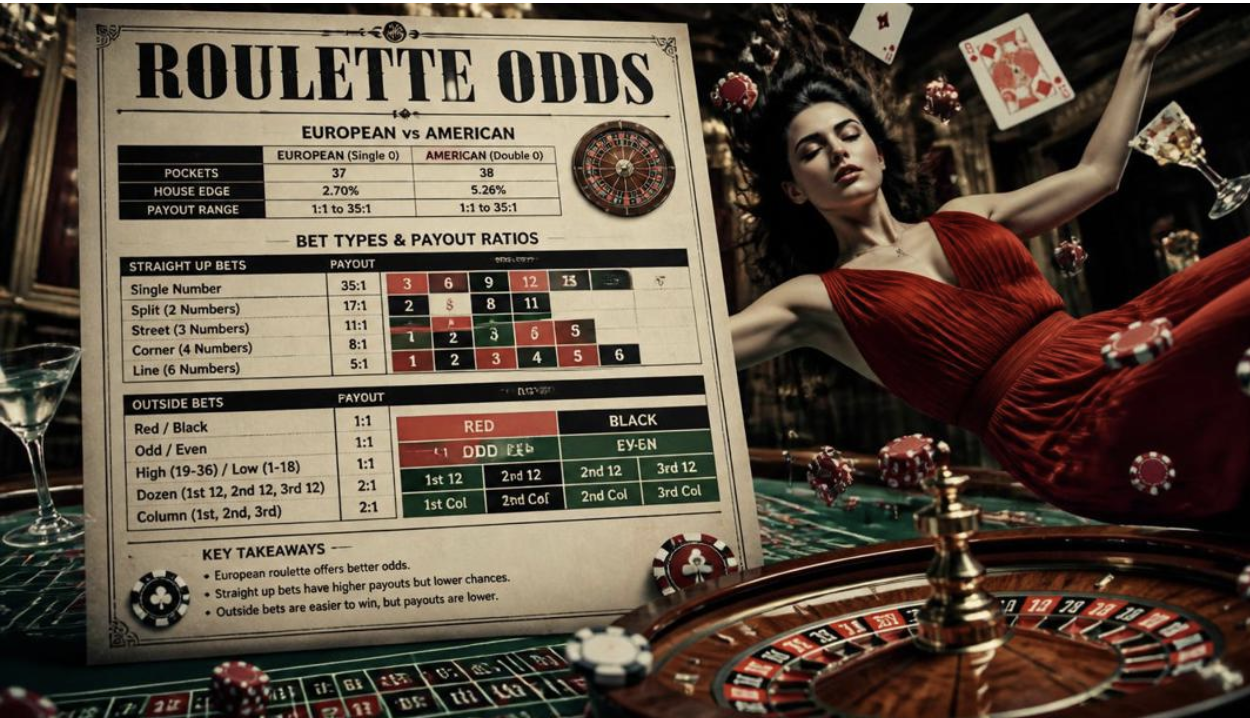
A roulette table puts the big numbers right in front of you. Straight up pays 35:1. A split pays 17:1. Red and black pay even money. That gets a player interested, but it is only half the job. The payout tells you what happens on a win; it does not tell you how hard that win is to find.
A straight-up bet covers one number. On a European wheel, that gives it a 1 in 37 chance. On an American wheel, the extra double zero takes it to 1 in 38. The 35:1 figure stays the same, which is where people get caught out. The board has not changed much, yet the odds behind the bet have.
Roulette.Casino breaks those numbers down through its roulette odds and payouts guide (https://roulette.casino/odds-payouts/), putting straight-up numbers beside splits, streets and dozens so the payout sits alongside the chance of landing it. That is useful before you put money down, because each bet covers a different part of the wheel and returns a different amount when it lands.
A roulette payout chart also puts the smaller details in plain sight. A dozen pays 2:1 because it covers 12 numbers, while a corner pays 8:1 across four. Once those figures sit beside the number of pockets covered, the table stops looking like a collection of random betting boxes.
The total return is worth keeping straight as well. A $10 straight-up win pays $350 in profit, then your original $10 comes back, so the stack returned to you is $360. The next spin still starts from the same odds.
Inside Bets Put the Big Numbers on the Table
Inside bets live on the numbered grid, where one chip can cover a single pocket or sit across a line to cover a small group. That gives you room to play the board rather than simply backing red or black, although every placement has to be made with a bit of care.
A straight-up chip sits on one number. Move it onto the line between two numbers and it becomes a split. Place it at the end of a row and you have a street; cover the meeting point of four numbers and it becomes a corner. The six-line bet stretches across two rows, covering six numbers at once.
The layout also gives you a way to mix a session without putting every chip on the same result. A player might cover a few corners for broader coverage, then keep one small straight-up bet on a number they want in the mix. The roulette payouts change with each placement, but the board makes those choices visible before the dealer spins.
The board can look busy when a few bets go down, but the basic idea stays simple. More coverage gives you more ways to win on a spin, while the return comes down to match. That is why a player can spread a small stake across several corners, then take a straight-up number on the side without treating every chip as the same kind of bet.
Bigger Swings Come With a Different Rhythm
A straight-up number can leave your chips sitting there for a long stretch, then suddenly produce a return big enough to change the mood at the table. An outside bet works differently. Red, black, odd and even win more often, although the payoff is smaller and the stack grows at a slower pace.
That does not mean one route beats the other. On a standard European wheel, the same 2.70% roulette house edge sits behind both kinds of bet. The difference is the ride you get before that long-run number catches up with you.
A study examined the link between house edge, prize structure and volatility across gambling games. Bigger prizes create longer gaps between wins, which is why a number bet can turn a short session into a bumpy one even when the maths behind the wheel stays fixed.
A player who understands that difference can pick a bet that suits the kind of session they actually want.
Reading the Layout Before the Ball Drops
Getting familiar with the layout does not change the game, but it does stop a roulette table from becoming a blur once the dealer starts the wheel. You can see where the outside areas sit, where the number grid begins and how much room there is to place a bet without leaning over someone else’s chips. That makes the first few spins less awkward, especially at a busy table where the dealer is moving quickly.
It also helps with the practical side of the session. Table signs set minimums and maximums, and casinos may treat the outside area differently from the inside grid. A player who has looked over the board before buying in is less likely to put down a chip, then find out it does not meet the table rule or cannot stay where they expected.
The wheel itself deserves the same quick check. Standard European roulette has one zero and a 2.70% house edge on regular bets. American roulette adds a double zero, lifting that figure to 5.26%, even though the ordinary payout figures still look the same. French roulette also uses a single-zero wheel, and tables using La Partage or En Prison can cut the edge on even-money bets to 1.35%.
The betting window closes before the ball drops, losing chips are cleared first and winning bets are paid before the next round begins. Knowing that rhythm makes it easier to keep track of your own stake when the table is busy.
The House Edge Sits Behind Every Spin
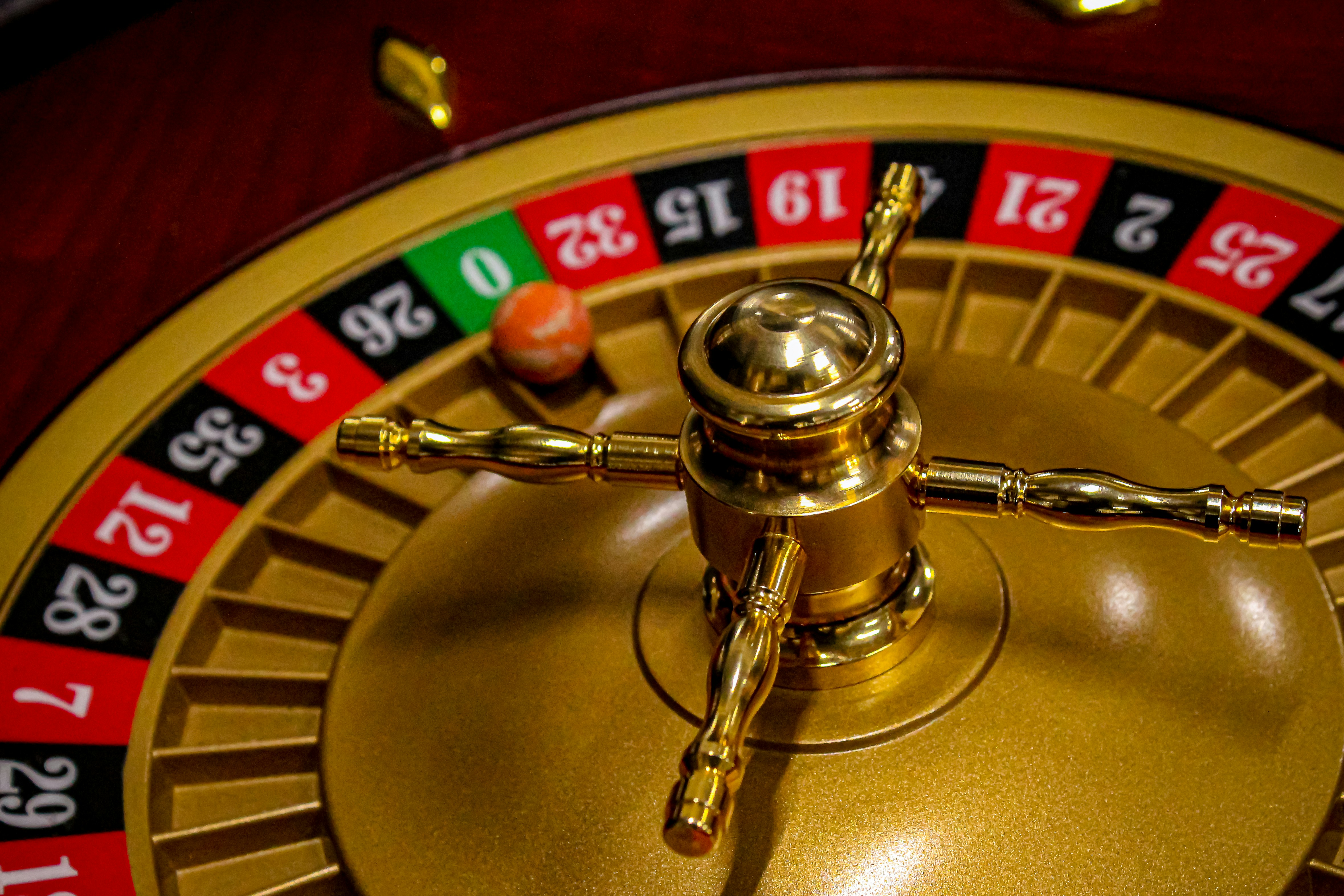
The house edge gives you the part of roulette a payout board cannot. A straight-up number may return 35:1, and a color bet may pay even money, but neither figure tells you what the casino expects to keep after enough spins have gone by.
That is important because a short session can tell any story it likes. You can hit red twice, miss a few numbers and walk away ahead. Another player can lose five bets in a row. Neither run changes the cost built into the wheel.
The UK Gambling Commission’s 2021 player guidance calls roulette a banker’s game of unequal chance and defines the house edge as the percentage a casino expects to keep, on average, from each spin.
Once you know that number, you can judge the bet in front of you properly. The payout tells you what a win pays. The house edge tells you what the game charges for the chance to chase it.
More Than One Roulette Wheel Changes the Conversation
Roulette is not always the same game with a different paint job. A standard European wheel is the version many players know best, but French tables can add rule variations around even-money bets, and online rooms have pushed out faster formats built for shorter sessions.
There is more than one way to play roulette, and the wheel in front of you can change the numbers behind every familiar bet.
That does not mean every version needs a fresh strategy. The useful question is simpler: what rules are attached to the table, and what happens when the ball lands on zero? A flashy format can still use the same basic grid, yet the pace may be quicker, the betting window may be tighter and the side features may pull attention away from the ordinary wagers.
A quick read of the table rules saves trouble later. You do not need to memorise every variation, but you should know which wheel you are sitting at before the chips go down.
The Numbers Are There Before the Spin
Roulette does not hide much from you. The payout is printed on the table, the wheel tells you whether there is one zero or two, and a roulette payout chart can show what each bet returns before the dealer sends the ball around.
A live table can make the mechanics easier to follow, especially when you can see the ball, wheel and betting layout in the same frame.
Knowing the basics will not change the result, but it does stop a big payout from telling the whole story.
- B.E. Delmer, Gambling911.com