
Written by :
Published on :
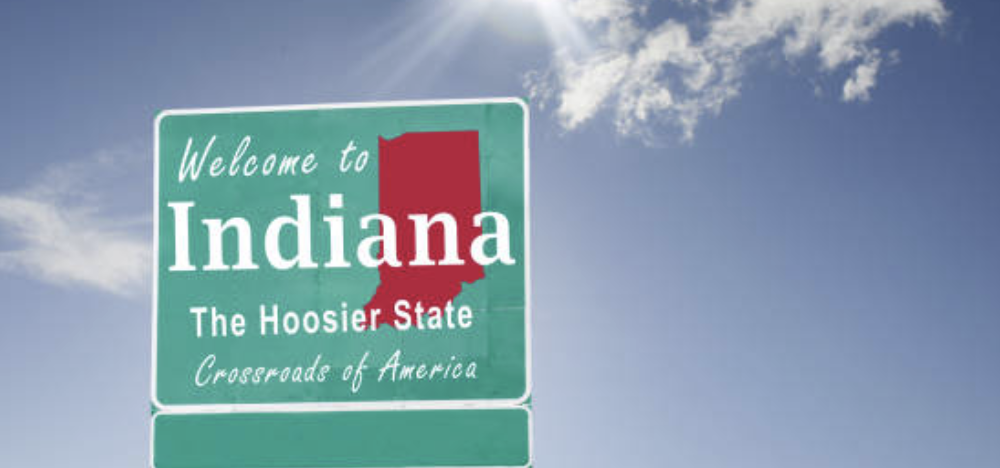
The Hoosier State has become the latest to ban sweepstakes casinos.
Unlike a real money online casino, sweepstakes - or social casinos - is an online platform that allows users to play casino-style games, including slots, bingo, table games, and even live casino games, using virtual currency instead of real money. These types of online casinos rely on additional real money purchases once the free play component is exhausted. In contrast, real money online casinos require a small deposit that can be increased through wins. Free play and cash bonuses are typically offered as well.
Indiana Governor Mike Braun signed the bill Thursday (March 12, 2026) outlawing the sweepstakes model of social gaming in the state.
What was House Bill 1052 targets online platforms that use dual-currency models to simulate casino-style gaming, such as slot machines or table games. It establishes civil and criminal penalties for operating these games, aiming to close regulatory gaps on unlicensed gambling.
Lawmakers faced few obstacles in getting the legislation passed.
“[The dissent was] to fix small, substantive conflicts and a few technical issues.”, said Rep. Ethan Manning (R–Indiana), the bill sponsor.
Not everybody was on board with banning the sweepstakes model, not even a state sponsor of the legislation, Sen. Ron Alting (R–Indiana).
“I offered the amendment… that regulated and taxed it that I thought would be appropriate… but got a tremendous amount of feedback of ‘no go, Alting said.
35 US states still allow sweepstakes casinos- or at least haven't outwardly banned the them - though Maine may be next up for an outright ban.
Indiana once considered pushing through legislation that would allow for real money online casinos. That all changed in late 2024 following a political scandal that ended up shelving such plans.
In July of that year, a former Indiana lawmaker was sentenced to twelve months behind bars for admitting to pushing legislation favorable to an Indiana casino company in exchange for the promise of a future job with the company worth at least $350,000 a year.
Sean Eberhart, a Republican, was also ordered to pay a $25,000 fine as well as $60,000 in restitution.
Eberhart pleaded guilty on Nov. 28 of that year to one count of conspiracy to commit honest services fraud, a federal felony that carried a sentence of up to five years in prison, a fine of up to $250,000 and up to three years of probation.
A Spectacle Entertainment executive identified as "Individual A" conspired with other unnamed individuals to deprive the residents of Eberhart's district of honest services through bribery and concealment, according to the complaint.
Federal prosecutors also identified Rod Ratcliff, one of the state's most powerful casino executives, as a conspirator in a scheme to illegally funnel casino cash to a former state senator's congressional campaign.
Small was never implicated in this matter.
A year earlier, State Sen. Chris Garten (R-Charlestown) grilled members of the Indiana Gaming Commission (IGC) and threatened to impose changes if the regulatory body did not quickly adjust how it reviews regulatory violations.
Garten and Sen. Ryan Mishler (R-Mishawaka) accused the Commission of handing down excessive and subjective fines.
"It appears that the ideology is because casinos are profitable in Indiana, we should be able to fine them more,” said Garten, as first reported by the Indiana Capital Chronicle. “That doesn’t give you the right.”
In an ironic twist, the IGC is long known for imposing fines for failing to prevent an underage person from accessing a casino.
In September of 2024, Indiana Gaming Commission (IGC) Executive Director Greg Small left his position to become the Head of Legal & Government Affairs at Fliff, a sports prediction app that operates as - drum roll please - a sweepstakes-style sportsbook rather than a traditional gambling platform.
- Chris Costigan, Gambling911.com Publisher