

Written by :
Published on :
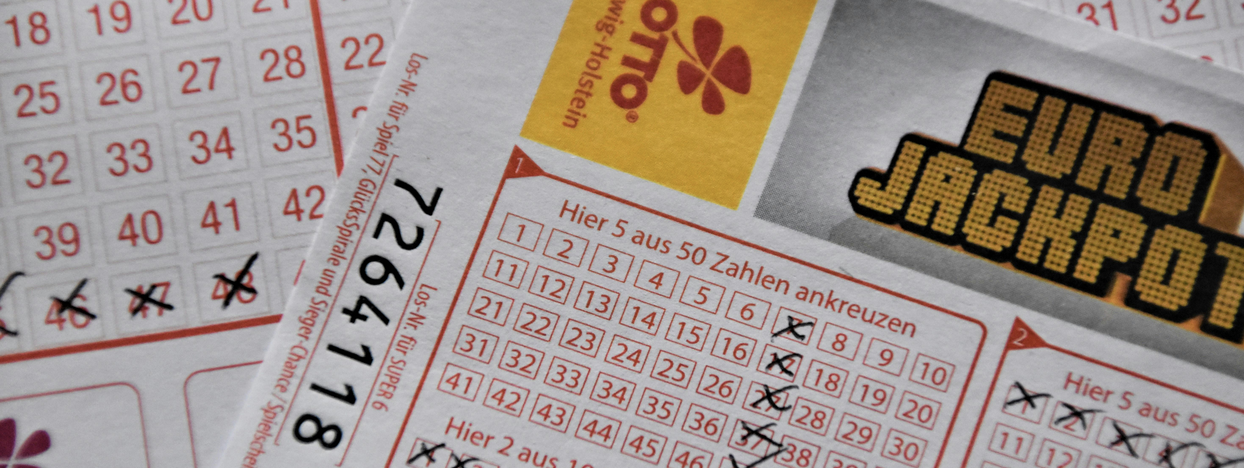
Lottery games don't offer instant outcomes, rapid decision-making or immersive visuals. They don't reward skill, and they don't demand constant attention. On paper, they seem completely out of step with modern online gambling, which increasingly revolves around speed, stimulation and interaction. And yet, lottery-style games continue to attract a broad and growing audience online. The reason isn't nostalgia, and it isn't habit. Its alignment. Lottery games still fit how many people actually want to engage with gambling today.
Simplicity that cuts through digital noise
Online gambling has become crowded. Casino platforms now offer thousands of games, layered features, multiple betting formats and constant promotional messaging. For experienced players, that variety can be exciting. For everyone else, it can feel like work. Lottery games quietly avoid that problem. There's nothing to learn and very little to decide. Players know exactly what they're doing from the moment they arrive. You enter a draw, you wait and you check the result. In a world where attention is constantly being pulled in different directions, products that remove friction often feel more appealing than those that add it.
Gambling that fits around life
Most online casino games are designed to hold attention. Even casual slots are structured around continuous interaction, with sound, animation and rapid feedback loops encouraging players to stay engaged.
Lottery games operate differently. They ask almost nothing of the player once entry is complete. That makes them easier to integrate into daily routines without disrupting them. A ticket can be purchased in seconds, and the rest of the experience unfolds quietly in the background.
This is one reason lottery games are easy to access online, especially through modern digital platforms like Latinka, where participation doesn't require long sessions, repeated decisions or constant monitoring. For consumers balancing work, family and screen fatigue, that low-maintenance format matters far more than it once did.
Familiarity, routine and a low-pressure experience
For many modern consumers, the appeal of lottery games has less to do with outcomes and more to do with how the experience fits into everyday life. Lottery play is predictable in structure, limited in interaction and easy to understand. This reduces the cognitive and emotional load often associated with online gambling.
That familiarity matters. Players generally know what a lottery game involves before they ever engage with it online. There are no fast decisions, no complex mechanics, and no expectation to stay actively involved for long periods of time. The experience is simple, contained and clearly defined.
Digital platforms have reinforced this by making lottery games easy to access and manage, especially through services like Latinka, where users can participate without navigating complex casino environments. For consumers who value clarity and routine over stimulation, that straightforward experience is often the main draw, rather than the result itself.
Digital access changed the audience
The shift to online play didn't just make lottery games more convenient. It changed who plays them. Mobile access, automated results and streamlined interfaces introduced lottery-style gambling to younger, more casual audiences who may never have purchased physical tickets. Digital platforms have removed geographic limitations and opening hours without altering the experience.
Today's lottery players are more diverse than ever before, and many play sporadically rather than regularly. That behavior aligns with lottery formats, which don't penalize infrequent participation.
Modern platforms make this even easier by allowing players to:
- Enter draws quickly from any device
- Receive automatic notifications instead of checking manually
- Participate without scheduling time around play
This ease of access is a major reason lottery-style games continue to fit modern consumer habits.
A slower pace in a fast gambling market
Not all gambling entertainment needs to be fast to be engaging. Lottery games rely on anticipation instead of action. The waiting period between entry and outcome becomes part of the experience, giving players something to think about rather than something they need to manage actively.
In a digital gambling environment dominated by instant outcomes, that slower rhythm stands out. For some players, it offers a welcome contrast. For others, it simply feels less demanding. Either way, it serves a different emotional need than fast-paced casino games.
No skill, no strategy and no pressure
Many gambling formats quietly imply there's a correct way to play. Blackjack has strategy, poker has theory and sports betting rewards research. Even slots come with advice about volatility, RTP and bonus features. Lottery games remove that expectation completely.
There's no advantage to experience. No benefit to optimization. Outcomes are random, and players understand that from the start. For casual gamblers, this lack of pressure makes lottery-style play easier to enjoy. There's no sense of playing incorrectly or missing an opportunity. The experience is the same for everyone. That simplicity lowers psychological barriers, especially for consumers who don't want gambling to feel like a skill test.
Lottery games as a complement, not a replacement
Lottery games don't compare directly with online casinos. They complement. Many players move between gambling formats depending on mood, time and energy. Sometimes they want interaction and stimulation. Other times, they want something passive. Lottery-style games fill that quieter space.
Digital platforms, including Latinka, reflect this role by positioning lottery access as part of a broader gambling world rather than a standalone alternative. Players are able to participate casually without abandoning other forms of entertainment. This flexibility helps explain why lottery games continue to coexist with newer, faster gambling products instead of being replaced by them.
Why lottery games continue to make sense
Lottery games persist because they align with how modern consumers behave. They're simple in a complex digital environment. Passive in a market built around engagement. Easy to access online, particularly through platforms like Latinka, without demanding time, skill or sustained attention.
As online gambling continues to evolve, lottery games are likely to remain part of the landscape, not as a relic of the past, but as an option that still fits the way many people choose to participate. For the modern online gambling consumer, that balance is exactly why lottery games continue to appeal.
- B.E. Delmer, Gambling911.com