

Written by :
Published on :

An equity analyst examined betting results and concluded that users of fast-growing prediction markets were burning through money more quickly than gamblers on mainstream betting apps.
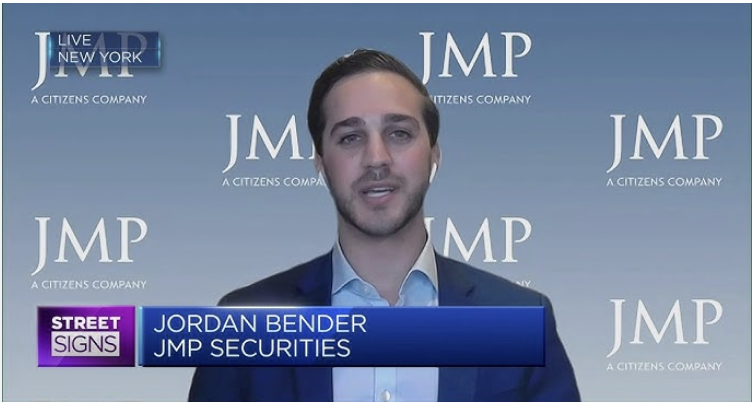
Jordan Bender, an equity research analyst at Citizens who sparked the controversy, spent three months examining prediction markets versus regulated sportsbooks and determined that participants were losing a larger share of their wagers than users on established sportsbooks such as FanDuel and DraftKings.
Kalshi says his findings are flawed.
They initially told Bloomberg that the analysis was not only incorrect, but tied to what it described as an “extortion” attempt involving the startup that supplied the data.

Elisabeth Diana, Kalshi’s head of communications, claimed Juice Reel had previously sought “investment support” from the company and alleged that its founder had offered to “defuse the situation” if granted a meeting with Kalshi’s CEO.
“Please consider the source and its motives,” she said in an emailed statement to Bloomberg, emphasizing. “this is extortion.”
The underlying data came from Juice Reel, a small analytics firm that created an app that aggregates transaction histories to help gamblers track their performance across multiple platforms.
Juice Reel says Kalshi attempted to pressure the firm into discrediting the numbers and referred to their allegations as a “complete fabrication".

Then there was this:
Within hours, Kalshi softened its position, saying it still disagreed with the conclusions but that “after further review, we don’t believe the intention was extortion.” The company also denied trying to coerce Juice Reel into backing down.
Kalshi and its competitors portray themselves as a "fairer alternative to traditional gambling" where traders essentially set the market price on a contract. There is no bookmaker.
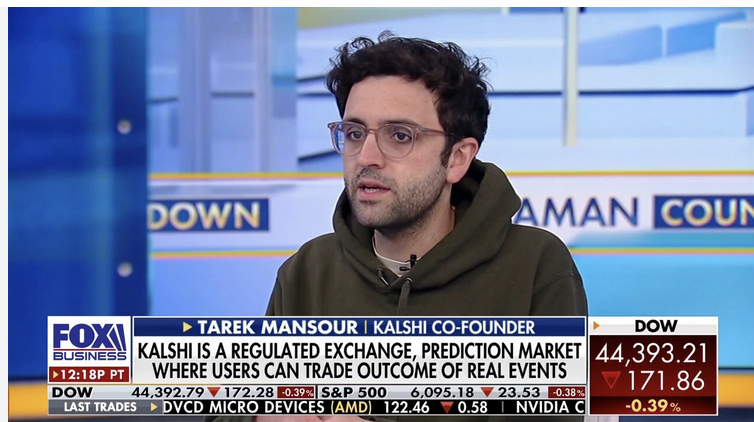
“In our markets, you’re trading in an open financial marketplace," Kalshi’s founder and CEO, Tarek Mansour has stated. "You’re trading against other people. If you go to a traditional model, you’re betting against a sportsbook — they’re setting the odds and they make money if you’re losing money.”
From Vulture:
According to Bender’s research, losses were most severe among inexperienced users. The bottom 25% of participants lost roughly 28 cents for every dollar wagered in their first three months on prediction markets, compared with about 11 cents per dollar on conventional gambling platforms. For the bottom 10%, losses during the first 90 days approached 44%.
States Push Back Hard on Prediction Markets
The Nevada Gaming Control Board has filed civil enforcement actions and obtained court orders to block platforms such as Polymarket and to try to stop Coinbase’s prediction market offerings, alleging they amount to unlicensed sports wagering under state law while New Jersey has also sought out court intervention.
Speaking on MSNOW's "Morning Joe" February 4, former New Jersey Governor Chris Christie claimed these prediction markets are "breaking the law", adding "they are not subject to state regulation and do not have to pay taxes."
Christie was at the forefront of statewide regulation of sports gambling. He forced the Constitutional showdown that resulted in the US Supreme Court overturning the Professional and Amateur Sports Protection Act (PASPA), Christie's legal challenges argued that the federal government cannot force states to enforce a federal prohibition and that PASPA violated the Tenth Amendment (states’ rights) In 2018, New Jersey became one of the first US states to begin regulating sports betting after PASPA was overturned.
Christie stressed the importance of a state regulated framework.
“They regulate for integrity of the game and work immediately with the leagues and with law enforcement," he said during his appearance on "Morning Joe". "This regulated regime is how it should work."
Christie went on to blast prediction markets like Kalshi and Polymarket.
The former governor also warned that prediction markets do not protect consumers.
"Prediction market customers cannot go to state regulators (for help). We don’t want to ruin sports betting,” Christie added.
“The key here is we can’t mess this up. It has increased the revenue to these leagues. The consumers need to be protected.”
Chris Christie appearing on @Morning_Joe Wednesday morning called prediction markets "rogue" and suggests they can ruin sports betting for consumers @joebrennanjr @iGamingAdvocate @astraffon @jackiehaz https://t.co/12O4JYZg3W pic.twitter.com/5TVph0qxku
The New York Attorney General has publicly warned about prediction markets. Like Christie, the regulator claims that these platoforms undermine state sports betting protections and lack consumer safeguards.
Officials in Massachusetts have taken legal action to prevent Kalshi from offering sports related event contracts within the state.
The subject of prediction markets does not appear to be on the agenda of an upcoming February 26 meeting of The Massachusetts Gaming Commission however.
Kalshi insists their platform is fully legal and is licensed federally by the U.S. Commodity Futures Trading Commission (CFTC) as a Designated Contract Market (DCM).
“The long-term vision is to financialize everything and create a tradable asset out of any difference in opinion," Mansour says.
- Chris Costigan, Gambling911.com Publisher