
Written by :
Published on :
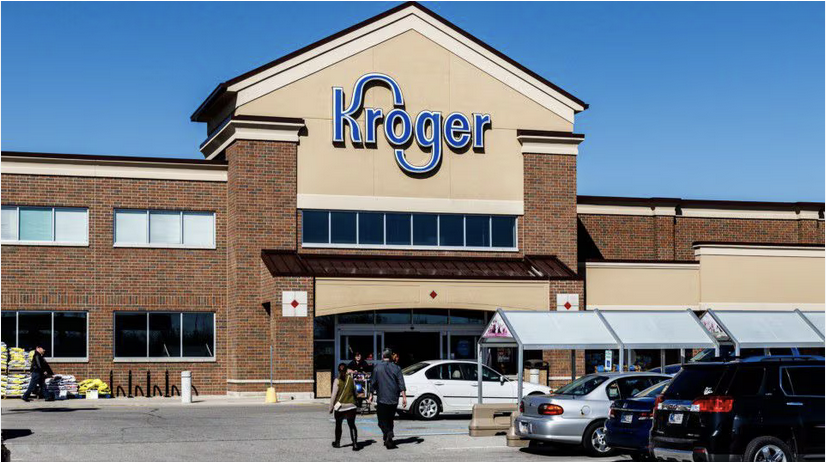
The beloved grocery chain Kroger has come under intensive scrutiny in recent days for its penchant for installing gambling machines in stores throughout the state of Georgia. The first of these kiosks appear to have been installed last year.
At issue is that Georgia does not have any legal forms of casino gambling or sports wagering. Sure prediction markets and daily fantasy sports operators are making their way online here, not to mention the accessibility of offshore sportsbooks and pay per head providers, but none of this is regulated.
What is legal?
Video amusement or redemption machines that award store credit or prizes.
The state does not consider such machines a form of gambling.

From Justia:
Georgia law allows “bona fide coin operated amusement machines” that provide amusement or entertainment and can reward successful players with non-cash prizes, such as free replays, merchandise, gift certificates, points, or prepaid cards, but not direct cash payouts.
The Georgia Lottery explains further:
Coin Operated Amusement Machines) are legal because Georgia law created a specific category for them and regulates them through the Georgia Lottery Corporation. They’re considered amusement machines that give non-cash prizes (like store credit, merchandise, fuel, or lottery tickets) and must be licensed — so they skirt traditional gambling prohibitions.
You won't find gambling machines in Krogers in most other US states.
States with casinos (like Ohio or Indiana) restrict machines to licensed casinos, racinos, or specific gaming venues.
Some states allow “skill games,” but grocery store placement is uncommon.
Other than Georgia, only Illinois and Nevada (Kroger's subsidiary Smith's) appear to offer these terminals at Kroger markets.

From Decluttering Mom:
Placement varies by store: some kiosks are set off to one side with a barrier, while others sit adjacent to service desks or pharmacy areas. That inconsistent placement drives confusion: a walled-off unit feels like a separate gaming space, whereas a kiosk next to the cashier reads as integrated into shopping flow. Communities have objected more sharply where machines are visible from family-oriented aisles.
Georgia Shoppers Lashing Out
Per The Sun, which is a London-based paper, just to provide a clearer picture as to how this story has managed to gain worldwide attention:
“We’re not looking to have gaming slot machines inside a grocery store where families are trying to shop for groceries,” said South Fulton shopper Felicia Conn-Payton to WAGA.
“If a grocery store’s main job is to alleviate hunger and to give people fresh food options, why are they becoming casinos? It doesn’t make sense,” said Macon resident L.J. Malone to local Fox and ABC affiliate WGXA.
“They had sfuff [sic] like this in Oregon and it was insane. I always thought it was weird to ban gambling, but nope, I was wrong. It should definitely be illegal or relegated to a few heavily regulated areas,” replied one X user to a post about the machines.
A petition for the removal of these COAMs to Kroger stores was launched by residents of the Powder Springs neighborhood, arguing the corporation “is taking advantage of people who have gambling addictions for profit.”
- Jagajeet Chiba, Gambling911.com