

Written by :
Published on :
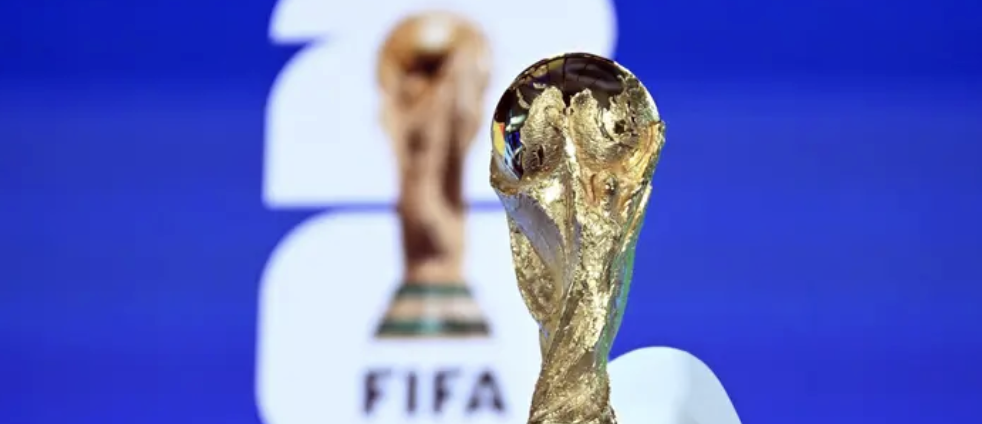
The 2026 FIFA World Cup is still more than a year away, but from a betting perspective, the setup is already obvious. This tournament has all the ingredients to become the biggest gambling event in soccer history.
That is not hype. It is just the natural result of where the sports betting market is right now and how large this World Cup is going to be.
The 2026 tournament will be the biggest World Cup ever, expanding to 48 teams and 104 matches. For sportsbooks, that means more inventory, more futures movement, more live betting, and more chances for casual fans to get pulled into the market. For bettors, it means a longer event with more opportunities to find value and more time for the public to pile into the action.
This is where the scale starts to matter.
A normal major betting event gives sportsbooks one or two huge spikes. The World Cup is different. It creates wave after wave of betting action over the course of an entire month. Group stage matches bring in volume. Knockout matches push it higher. The final turns into a global betting spectacle. Every surprise result, injury update, and odds shift gives the market another jolt.
That matters even more in 2026 because this is not just a bigger tournament. It is a North American tournament.
A World Cup played across the United States, Canada, and Mexico should be far more betting friendly for the North American market than one staged halfway around the world. Match times will be easier for US audiences. Media coverage will be nonstop. Sportsbooks will have a much easier time marketing the event to a mainstream audience that is already more comfortable with online betting than it was four years ago.
That last point matters more than people think.
The American sports betting market is much more mature now than it was heading into the 2022 World Cup. Soccer betting is no longer sitting off to the side as a niche product in the US. It is now part of a much broader betting ecosystem where futures, props, same game parlays, and live markets are all mainstream. A tournament as big as the World Cup drops directly into that system.
And unlike the Super Bowl, which is still the king of the single game betting event, the World Cup stretches over weeks. That creates repeated betting opportunities instead of one massive day. Books do not just get one pop. They get a full cycle of action as the tournament develops.
That is why 2026 has a real chance to be different.
A larger field means more countries with betting interest. More matches mean more opportunities for handle to build. A North American host footprint means more regional engagement. And a stronger US betting market means the baseline is already higher before a ball is even kicked.
Exact worldwide betting totals are always difficult to pin down because so much of the action is spread across different legal, gray, and offshore markets. But the trend line is clear. The next World Cup should draw a massive increase in wagering attention, especially if the United States goes on a run or if the knockout bracket produces the kind of high profile matchups bookmakers would love.
For a closer look at the projected betting totals, including both US and global estimates, this breakdown of how much money will be bet on the 2026 World Cup lays out the numbers in more detail.
The bottom line is simple. The 2026 World Cup is not just shaping up to be the biggest tournament in soccer history. It may also become the most heavily bet World Cup the sport has ever seen.
- Adam Fonseca, Special Contributor to Gambling911.com