
Written by :
Published on :
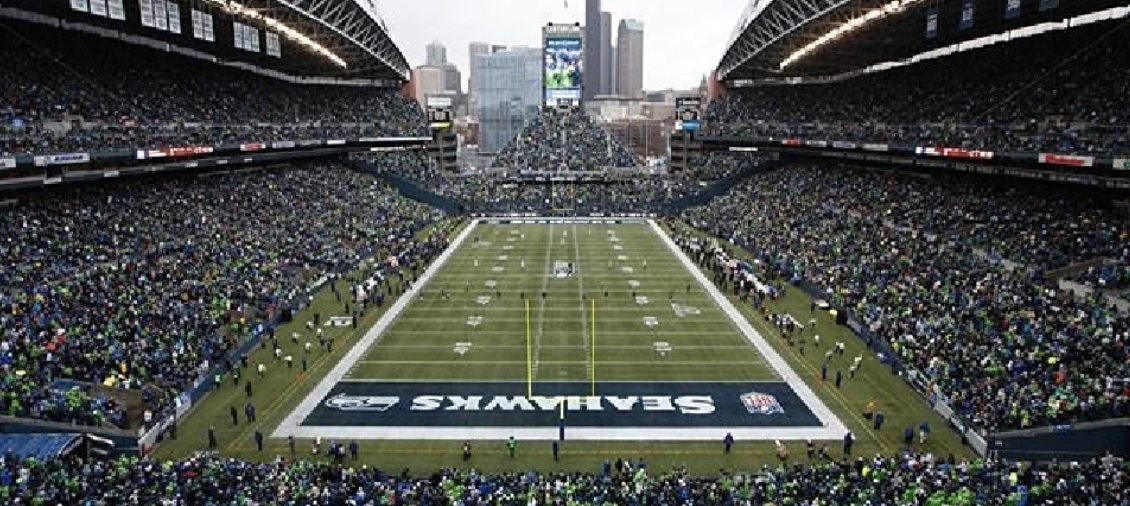
The earliest phase of the NFL calendar often delivers the biggest opportunity for bettors willing to act before consensus forms. Futures markets—Super Bowl odds, division prices, and win totals—are shaped by perception long before results validate or disprove those assumptions. Reading meaningful news instead of reacting to every headline allows bettors to position themselves ahead of market corrections. From free agency shifts to coaching hires and schedule quirks, the edge comes from interpreting context, not chasing noise, especially when teams like the Seahawks, Rams, Bills, and Chiefs begin to see subtle but important pricing changes.
Free Agency Moves and Market Reaction
Major signings often trigger instant shifts in futures odds, even when the long-term impact is uncertain. A high-priced contract can inflate public perception, pushing odds shorter before the player even fits into the system. At the same time, under-the-radar additions—particularly along the offensive line or within defensive rotations—tend to go unnoticed despite their measurable impact on win totals. Markets frequently overreact to headline acquisitions while undervaluing cohesion and continuity, which creates early inefficiencies. Bettors who focus on how players fit schemes rather than simply tracking contract size can identify value before sportsbooks fully recalibrate.
Coaching Changes and System Fit
A new coaching staff often reshapes a team’s identity in ways that extend far beyond surface-level narratives. Offensive philosophy shifts can dramatically impact scoring pace, which in turn affects totals and futures projections tied to season-long performance. Defensive scheme adjustments also play a role, influencing turnover rates and efficiency metrics that sportsbooks quietly bake into their models. Historical trends show that first-year head coaches bring volatility, which markets struggle to price accurately during the preseason. Teams undergoing these transitions often present opportunities for bettors who can interpret how system changes translate into real on-field outcomes.
Early Futures Lines and Perception Gaps
Opening futures numbers reflect perception as much as actual team strength, making them particularly vulnerable to inefficiencies. Sportsbooks anticipate public bias, especially toward high-profile franchises, and adjust accordingly, which can lead to inflated prices on teams like the Chiefs. Conversely, less glamorous teams may be undervalued despite solid underlying metrics. Division futures often reveal these discrepancies more clearly, as parity within certain divisions is not always fully accounted for in early lines. Identifying where perception diverges from reality allows bettors to secure positions that will likely shift once broader market sentiment catches up.
Seahawks Market Movement Signals
Seattle’s market movement tends to reflect incremental adjustments rather than dramatic swings, but those subtle changes often signal deeper shifts in perception. Roster updates, particularly at key positions, can quietly influence odds without drawing widespread attention. Quarterback stability remains one of the most significant factors shaping their projected win total, as continuity at that position reduces uncertainty. At the same time, competition within their division plays a critical role, with improvements from rivals affecting how sportsbooks evaluate Seattle’s ceiling. These layered dynamics make the Seahawks a useful case study in interpreting gradual line movement.
Rams Rebuild or Reload Narrative
The Rams frequently sit at the intersection of competing narratives, with some viewing them as a team in transition while others see a roster capable of immediate contention. This tension creates uncertainty that sportsbooks attempt to price into futures markets. A blend of emerging young talent and established veterans complicates projections, particularly when past injury history continues to influence perceived risk. Coaching continuity, however, provides a stabilizing factor that can offset roster turnover. Bettors who look beyond simplistic rebuild narratives and evaluate structural strengths may find value in how the Rams are priced.
Bills Expectations and Market Pressure
Buffalo consistently enters the season with elevated expectations, and that pressure is reflected in their futures pricing. Recent playoff performances often weigh heavily on preseason odds, sometimes more than regular-season efficiency metrics. The team’s offensive consistency keeps them near the top of the market, but defensive adjustments can significantly alter their overall projection. When expectations are already high, even small perceived weaknesses can create price fluctuations. Understanding how these factors interact helps bettors determine whether the market has accurately captured Buffalo’s true range of outcomes or if there is still exploitable value.
Chiefs as the Market Benchmark
Kansas City operates as the benchmark against which all other contenders are measured, and that status heavily influences how they are priced in futures markets. Sustained success leads to consistently shorter odds, often leaving little margin for value despite their proven track record. Public betting influence further amplifies this effect, as heavy backing pushes prices even lower. Comparing other teams relative to the Chiefs can highlight opportunities where the gap in pricing does not fully align with the gap in actual performance. This comparative approach is essential for identifying mispriced contenders.
Schedule Analysis Before Week 1
Schedule analysis remains one of the most underutilized tools in preseason betting, yet it can provide critical insight into potential outcomes. Strength of schedule metrics help identify teams facing easier or more difficult paths, which directly impacts win totals. Travel demands and rest disadvantages, such as short weeks or long road stretches, add another layer of complexity that markets do not always fully price in early. Additionally, the distribution of opponents across the season—whether front-loaded or back-loaded—can influence early momentum and subsequent line movement. Factoring in these elements offers a clearer picture of a team’s trajectory.
Injury Context and Market Lag
Injury context often introduces lag into betting markets, particularly during the offseason when updates are sporadic and sometimes incomplete. Players returning from injury can significantly alter projections if they regain full form, yet markets may be slow to adjust until confirmation becomes more concrete. Depth chart implications also matter, as injuries to key backups can affect long-term performance even if they do not generate headlines. Timing plays a crucial role, with information releases not always aligning with immediate line movement. Recognizing these delays allows bettors to act before adjustments are fully reflected in prices.
Trends, Data, and Tools Integration
Combining analytical tools with real-world news creates a more complete framework for evaluating futures markets. Against-the-spread records and historical trends provide valuable context, but they are most effective when aligned with current developments. Tools that crunch numbers in bulk—whether that’s an NFL optimizer spitting out DFS lineups from projections or a trends dashboard summarising ATS records—are most useful when they back up what the news is already telling you about roster upgrades, schedule spots and how the market is starting to price each team. Blending quantitative data with qualitative insights produces a clearer, more actionable perspective.
Fantasy Signals and Betting Overlap
Fantasy football trends often act as an early indicator of shifting perceptions that also influence betting markets. Changes in ADP fantasy football 2026 can reflect evolving expectations about player roles, offensive schemes, and overall team performance. Rising average draft positions frequently signal increased confidence in a team’s offensive output, which can correlate with upward movement in win totals. Player volume projections further reinforce these signals, offering insight into how teams plan to allocate opportunities. Recognizing the connection between fantasy data and futures pricing helps bettors identify trends before they become widely acknowledged.
Avoiding Noise and Building Positions
Filtering meaningful information from constant media noise is one of the most important skills in preseason betting. Not every headline carries actionable value, and reacting to every piece of news often leads to poor positioning. Timing entries into the market is critical, as securing favorable odds before major line moves can significantly impact long-term profitability. A diversified approach to futures betting, spreading exposure across multiple teams and markets, helps manage risk while maintaining upside potential. By focusing on substance over hype, bettors can build positions that are grounded in analysis rather than reaction.
- Don Shapiro, Gambling911.com