

Written by :
Published on :

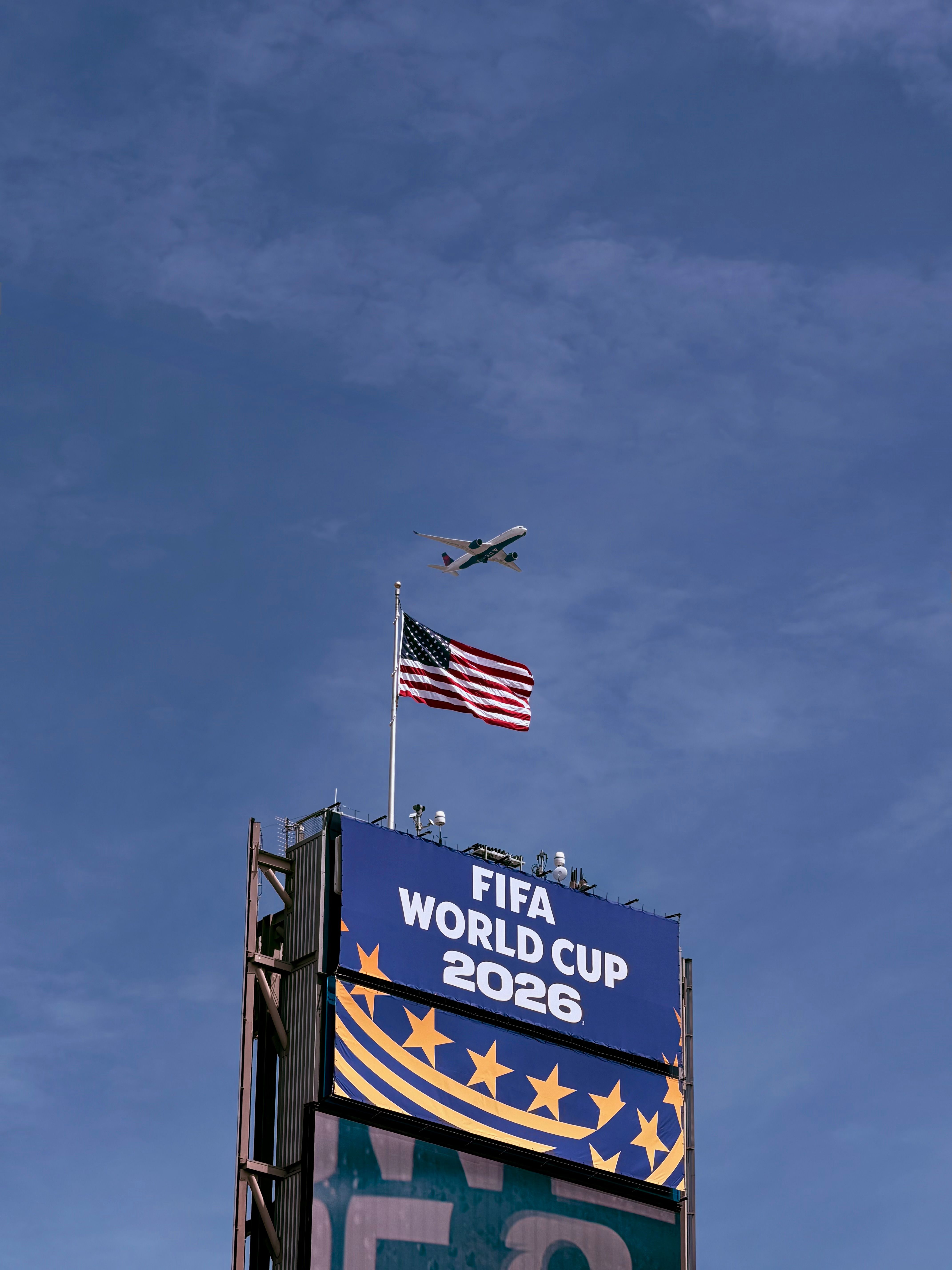
The 2026 FIFA World Cup has done more than fill sportsbooks with summer traffic. It has also introduced millions of Americans to prediction markets, with platforms such as Kalshi attracting a wave of new users who might never have opened a traditional betting account.
Mobile analytics firm Apptopia found that combined sportsbook and prediction market sessions rose 35% during the first half of June compared with the same period last year. Kalshi alone accounted for 42.3% of new app installs, while Kalshi and Polymarket together captured 73.5% of betting and prediction market downloads.
That surge has pushed prediction markets firmly into the gambling spotlight. As more sports fans encounter platforms such as Kalshi during the World Cup, the debate now goes beyond who wins and loses. The bigger question is whether prediction markets belong alongside traditional sportsbooks or occupy a category of their own.
A World Cup Bringing New Players Into the Market
The tournament has arrived during what is normally a quieter period for American sportsbooks, yet this June has looked very different. Apptopia's data suggests many users are trying prediction markets for the first time, with more than half of Kalshi's World Cup audience made up of brand-new users.
Apptopia's Vice President of Research, Tom Grant, said the World Cup appears to be attracting a different audience to prediction markets, noting that roughly 80% of Kalshi users do not use a traditional online sportsbook during a typical month. Rather than simply taking customers away from established betting operators, prediction markets appear to be drawing in many people who previously had little or no involvement with sportsbook apps.
That helps explain why interest has accelerated so quickly. Instead of limiting markets to sporting contests, platforms also cover politics, finance, entertainment and weather, creating something that sits somewhere between financial trading and gambling.
One Platform, Two Very Different Rulebooks
Understanding that distinction is important because Kalshi does not operate like a conventional sportsbook. Prices move according to buying and selling activity between traders rather than odds compiled by a bookmaker.
If you're curious about how that works in practice, Sportsbook Review, an established sports betting publication covering sportsbooks, betting tools and industry news, offers a detailed explanation of the Kalshi sign-up bonus, alongside the platform's trading process, eligibility rules, welcome offer and the differences between prediction markets and traditional sports betting. It also explains how contracts settle, what new users should expect before placing their first trade and why the platform is regulated differently from a conventional sportsbook.
One reason newcomers often pause is that every contract has two sides. Rather than accepting fixed odds from a bookmaker, traders buy or sell positions based on the probability of an event taking place. Prices respond as confidence changes across the market, meaning a World Cup goal, injury or red card can quickly alter the value of a contract in much the same way that betting odds move during a live match.
The difference becomes even more significant in states where conventional online sportsbooks remain unavailable, adding another layer to the discussion around regulation.
Washington's Debate Is Now Playing Out on the Betting Slip
Earlier this month, Reuters reported that the Commodity Futures Trading Commission (CFTC) proposed new rules governing prediction markets while confirming that sports event contracts would likely be treated differently from games based purely on chance. At the same time, several states and Native American tribes continue arguing that sports event contracts resemble gambling and should fall under state gaming laws instead.
Reuters also noted that the CFTC believes sports event contracts may serve legitimate price discovery and information functions, unlike games based entirely on chance, which are more likely to raise public-interest concerns. That distinction goes a long way towards explaining why prediction markets occupy such an unusual position. They may feel familiar to sports bettors, yet they continue operating within a different federal regulatory framework that remains under close scrutiny.
The proposal also draws an important distinction between different types of sports markets. Contracts based on match results, tournament progression and similar outcomes may be viewed differently from markets involving player injuries, officiating decisions or other events that could create integrity concerns. That illustrates why regulators are focusing not only on whether prediction markets resemble gambling, but also on how individual contracts are structured.
That disagreement sits at the heart of today's debate. Supporters believe federally regulated event contracts provide another way to express market opinion. Critics argue they achieve many of the same outcomes as sports betting without following identical state licensing systems.
The result is a legal discussion that remains far from settled.
The Next Big Contest May Be Off the Field
Prediction markets have moved well beyond a niche financial product. CNBC recently highlighted how Kalshi traders were using the platform to speculate on the Federal Reserve's June interest rate decision and even the language Chair Kevin Warsh might use during his press conference. That wider use illustrates why the platform is no longer viewed solely through a gambling lens, with prediction markets now extending into finance, economics and other real-world events. For anyone arriving through sport, that can make platforms like Kalshi feel less like a sportsbook and more like a marketplace for real-world events.
For gambling companies, though, the sporting calendar has accelerated that conversation. The World Cup has demonstrated how quickly public interest can grow when a major tournament meets a new way of participating.
Whether prediction markets ultimately sit beside sportsbooks or remain something entirely different is still being argued in courtrooms and regulatory offices. As regulators, betting operators and prediction market companies continue debating where those boundaries belong, sports fans are already making their own decision by trying the product for themselves. One point already looks difficult to dispute: millions of Americans are discovering a format that has changed the conversation around sports betting, and that discussion is only beginning.
- B.E. Delmer, Gambling911.com