

Written by :
Published on :
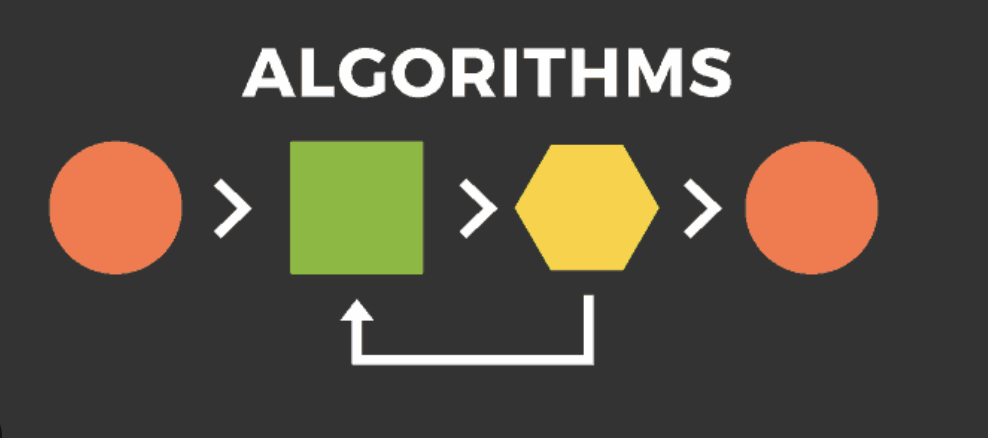
Opening a streaming app, marketplace or social network rarely feels random. The first screen usually reflects previous searches, viewing habits or purchases, even when the user has not actively set any preferences. Behind that experience sits a recommendation algorithm designed to reduce the amount of content a person has to sort through.
These systems have become a central part of modern digital services. They help sites present relevant options, but they also influence what users notice, ignore and eventually choose. The quality of personalization therefore depends on two factors: how much data is collected and how carefully the system interprets it.
Patterns in Behaviour Drive Personalization
Recommendation systems work by looking for patterns. A service may consider which videos were watched to the end, which products were opened, which songs were skipped or which articles received a click. Each action contributes another signal about possible interests.
The system identifies relationships between behaviour and likely future choices. Someone who repeatedly watches crime documentaries, for example, may be shown similar titles or programmes enjoyed by viewers with comparable habits.
Several common signals shape recommendations:
- previous searches, clicks and viewing history;
- time spent on individual pages or pieces of content;
- purchases, ratings and saved items;
- similar behaviour among other users;
- device type, location and time of access.
None of these is perfect on its own. A click may reflect curiosity rather than genuine interest, and a completed video may have played in the background. Better systems combine several indicators instead of treating every action as equally meaningful.
Different Algorithms Produce Different Suggestions
Not every recommendation engine works the same way. Some compare users with one another, others focus on the characteristics of the content itself, and large services often combine approaches to improve accuracy.
Collaborative filtering looks for people with similar behaviour. If two users have watched many of the same films, the system may recommend a title enjoyed by one but not yet seen by the other. It can uncover unexpected options, though it works best once there is enough activity to compare.
Content-based filtering takes a different route, examining features such as genre, topic, creator or price and recommending items similar to those already preferred. This is useful when personal history exists but comparable users are scarce.
Hybrid systems combine both with contextual signals, weighing what a person usually likes, what similar users choose and what is most relevant at a given moment. The result shifts as new behaviour appears.
Better Discovery Is the Main Benefit
The clearest advantage of personalization is faster discovery. Digital catalogues are often too large to browse manually, and most users do not want to compare hundreds of options before choosing something to watch, read or buy. A strong recommendation system narrows the problem of choice in several ways:
- surface an unfamiliar artist;
- highlight products related to an earlier purchase;
- bring back a series started earlier;
- recommend the next lesson.
The benefit is not limited to major entertainment services. Travel sites, financial tools, news apps and online gaming sites also use recommendation logic to organise large catalogues. On a service such as vulkanbet, personalization may help arrange game categories, recent activity or available content around a user's previous interactions, reducing the need to search through everything each time.
Transparency Makes Recommendations Easier to Trust
Users are more likely to accept personalized suggestions when they understand why they appear. Labels such as "because you watched" or "popular in your area" give useful context without exposing the full technical process. Controls matter too: the ability to hide irrelevant content, adjust interests, clear history or limit the data used for personalization.
Privacy is a further concern. A service should collect only the data needed for a clear purpose and explain how it affects the experience, since personalization becomes hard to justify when sensitive information is used unexpectedly.
A Feedback Loop Can Narrow Recommendations
Recommendation systems are useful, but they can become repetitive. When an algorithm relies too heavily on past behaviour, it may keep serving similar content and gradually reduce exposure to anything unfamiliar.
This creates a feedback loop. The user clicks what is shown, the system treats that click as confirmation, and future recommendations grow narrower. Over time a service can appear highly personalized while actually offering less variety, whether in news, music or price range.
Well-designed systems balance familiarity with discovery. They may introduce occasional recommendations outside the usual pattern, offer controls for removing unwanted suggestions, or let users reset part of their history. Personalization works best when it supports choice rather than silently replacing it.
The Best Systems Adapt Without Taking Over
Recommendation algorithms are most effective when they reduce effort without making every decision for the user. They should organise large catalogues, highlight relevant choices and introduce useful discoveries while leaving room for independent browsing.
A good system also recognises that preferences change. Someone who watched several similar films last month may want something different today, so recommendations need to respond to new behaviour without treating every temporary interest as a permanent identity. The strongest personalized experiences combine relevance, variety and control, making services easier to use while staying transparent about the signals behind each suggestion. At that point personalization feels less like surveillance and more like a practical tool for finding the right option at the right time.
- B.E. Delmer, Gambling911.com