

Written by :
Published on :
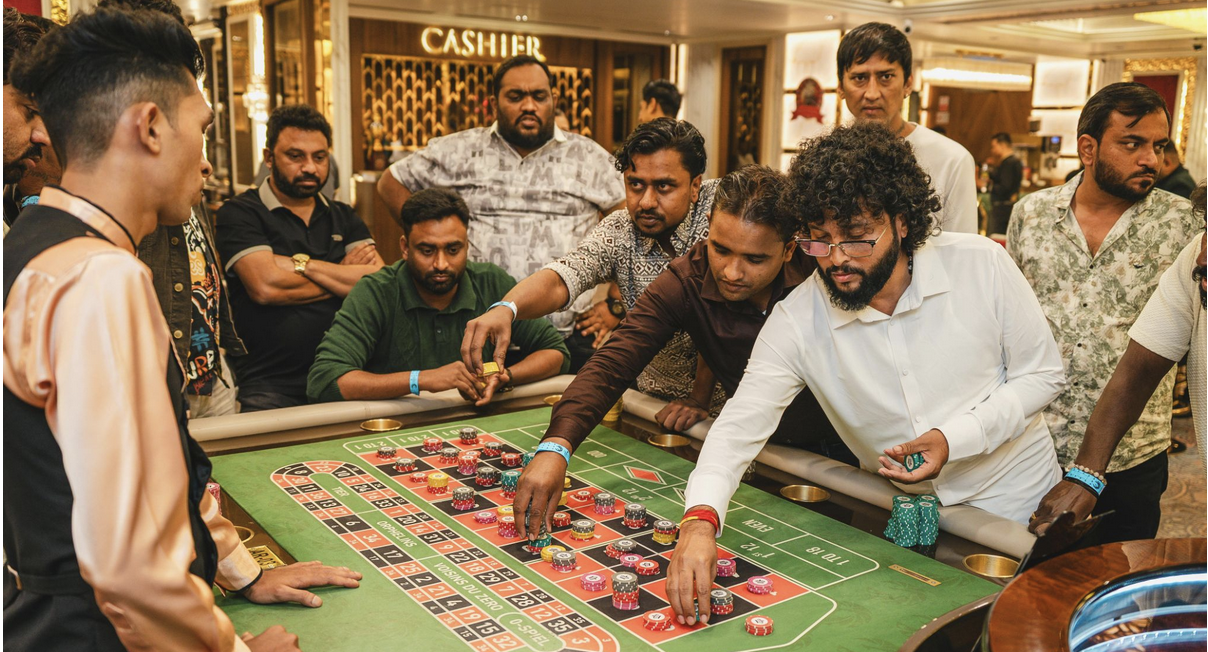
Something interesting has happened over the past decade at the intersection of gaming and gambling. The two industries, once clearly separate, have been borrowing from each other so aggressively that the line between them has become genuinely difficult to locate.
Video games have incorporated mechanics that closely resemble gambling: loot boxes, gacha systems, and random reward pools. Casinos have adopted the progression systems, achievement badges, and social features of video games. A new category of platform, the social casino, has grown into a multi-billion-dollar market by offering casino-style games with no real money on the line. And sweepstakes casinos have found legal frameworks that let players win real prizes from what looks like a free-to-play game.
For players at platforms like online casino NZ, understanding where real-money gambling sits within this wider landscape is a useful context. The mechanics are increasingly shared. The distinctions: regulatory, financial, psychological, all matter a great deal.
What Is a Social Casino?
A social casino is a platform that offers casino-style games, slots, poker, blackjack, and roulette, using virtual currency rather than real money. Players receive free coins on sign-up, earn more through daily bonuses and achievements, and can purchase additional coins if they run out. What they cannot do is withdraw real money. Winnings accrue in virtual coins that have no cash value.
The legal distinction is significant because no real money changes hands and no cash prizes are awarded; social casinos are generally not classified as gambling under most jurisdictions’ regulatory frameworks. They operate as entertainment apps, not licensed gambling operators. This means no wagering age-verification requirements, no KYC, no responsible gambling mandates, and no regulatory oversight by gaming authorities.
Sweepstakes Casinos: The Grey Area
Sweepstakes casinos occupy a more complex legal position. They operate a dual-currency model: players receive free sweepstakes coins alongside regular virtual coins, which can be redeemed for real prizes, including cash. The legal framework is based on sweepstakes law rather than gambling law: because players can receive the sweepstakes currency for free (typically by mail or through free daily grants), the argument is that no purchase is necessary to participate and therefore no gambling is occurring.
The practical experience is essentially indistinguishable from real-money gambling. The games are visually identical to licensed slots. The sweepstakes coins are won and lost through the same RNG mechanisms. Real prizes are redeemable. The legal basis for operating outside gambling regulation rests entirely on the technical availability of a free entry mechanism, which most players never use.
Several US states have explicitly banned sweepstakes casinos, and regulatory bodies in multiple jurisdictions are actively evaluating whether the model constitutes unregulated gambling in practice. The space is in motion.
How Real Casinos Have Adopted Game Mechanics
The traffic hasn’t flowed only from gambling to gaming. Licensed real-money operators have been borrowing aggressively from the video game playbook for years, incorporating mechanics designed to deepen engagement and reward continued play.
The most common gamification elements you'll come across in licensed online casinos today include:
- XP and loyalty tiers: every wager earns experience points that advance through levels, unlocking progressively better rewards. SpinBet’s loyalty structure is a direct application of this model, rewarding consistent play with escalating cashback and cash bonuses.
- Missions and challenges: time-limited tasks (‘spin 50 times on Book of Dead this week’) that reward completion with free spins or bonus credits. The mechanic is identical to quest systems in video games.
- Leaderboards: real-time rankings that pit players against each other on a specific game or metric during a defined period. Competitive framing transforms a solo activity into a social one.
- Achievement badges: non-monetary markers of progression that satisfy the same psychological itch as trophy systems in console gaming.
- Progress bars: provide visual representations of progress toward the next loyalty tier or bonus unlock, engineered to maintain engagement even when tasks are incomplete.
Live casino game shows like Evolution’s Crazy Time and Monopoly Live represent the most theatrical form of this convergence: they’re structured as entertainment properties with hosts, production values, and narrative arcs that borrow heavily from TV game show formats. The gambling mechanics sit inside a presentation frame that feels more like watching a show than playing a casino game.
Loot Boxes: Gaming’s Borrowed Mechanic
The most contentious point of convergence between gaming and gambling is the loot box, a randomised in-game reward that players purchase or earn and contains items of variable and unknown value. FIFA’s Ultimate Team packs, CS2 weapon cases, Genshin Impact’s gacha system: these are all variations of the same mechanic. Pay a fixed amount, receive a random outcome, with the best items so rare they drive significant spending in pursuit of them.
The structural similarity to slot machines is not coincidental. Both use RNG to determine outcomes. Both offer variable reward schedules. The psychological mechanism most reliably associated with compulsive behaviour. Both create a cycle of anticipation and reveal. The primary distinction is that loot box rewards are in-game items rather than cash.
Regulatory responses have been fragmented. Belgium and the Netherlands banned loot boxes as gambling. The UK Gambling Commission concluded they did not meet the legal definition of gambling under existing frameworks, while acknowledging the concerns. Instead of imposing an outright ban, the UK government has indicated “it can and will take action where the trading of items obtained from loot boxes does amount to unlicensed gambling”. Several other jurisdictions require disclosure of drop rates without restricting the mechanic. The debate is ongoing and active.
Gambling-Adjacent Formats at a Glance
| Format | Money at Stake? | Regulatory Status | Gamification Elements | Example Platforms |
| Social casino | No | Generally unregulated | Coins, levels, leaderboards, rewards | Zynga Poker, Slotomania |
| Sweepstakes casino | Indirect | Grey area in most markets | Dual currency, prizes, rankings | Chumba Casino, LuckyLand |
| Real-money casino | Yes | Licensed and regulated | Loyalty tiers, missions, tournaments | SpinBet, Casiny, VoltRush |
| Gamified casino app | Yes | Licensed and regulated | XP, challenges, progress bars, badges | Evolution game shows, iGaming apps |
| eSports betting | Yes | Varies by jurisdiction | Live stats overlays, in-play, boosts | Major sportsbook platforms |
| Loot boxes (games) | Indirect | Active regulatory debate | RNG rewards, cosmetics, upgrades | FIFA Ultimate Team, CS2 |
The Shared Psychology
What connects social casinos, gamified real-money casinos, and loot boxes is a common set of psychological mechanisms: variable-ratio reinforcement, near-miss effects, progress-completion compulsion, and social comparison through leaderboards and rankings.
Variable ratio reinforcement, where rewards arrive unpredictably after a variable number of actions, is the most reliably engagement-sustaining reward schedule known in behavioural psychology. It’s what makes slot machines compelling, and it is the identical mechanism that makes digital loot boxes or app notifications so difficult to ignore. It’s the same mechanism, deployed in contexts with varying degrees of financial stakes.
The concern among researchers and regulators is that familiarity with these mechanics in non-gambling contexts, particularly among young people who grow up playing games with loot boxes and social casino apps, may reduce the psychological friction that would otherwise serve as a natural brake when they encounter real-money gambling later. The normalisation question is genuinely unresolved in the research literature.
Where the Lines Are Being Redrawn
For players at real-money casinos, the practical implication is worth being clear about: the gamification elements, the XP bars, the missions, and the leaderboards are designed to extend engagement and increase spend. They can add genuine entertainment value. They can also obscure the financial reality of a session behind a layer of game-progress framing. Recognising the mechanism doesn’t make it less enjoyable. It just means you’re choosing it deliberately rather than being moved by it without noticing.
Safe Gambling
Gamified elements are effectively used to maintain player interest and shape the overall gaming experience. It is helpful to remain aware of your play habits to ensure they align with your personal limits. 18+ only. Gamble responsibly.
Thor Furman, Special Contributor to Gambling911.com
Freelance writer covering the iGaming industry, digital entertainment, and the converging worlds of gaming and gambling.