
Written by :
Published on :
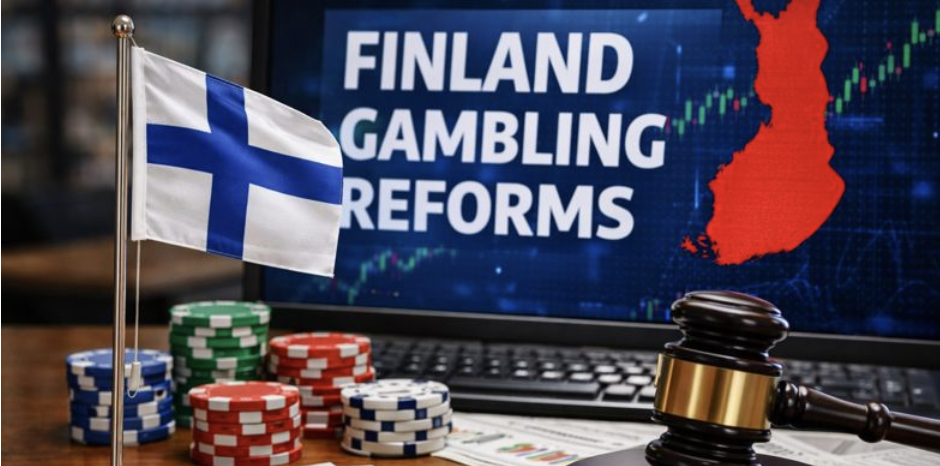
Finland is ending the era of state-controlled gambling. By 2027, the long-standing Veikkaus monopoly will give way to a licensing system, a strategic move sparked by the reality that the monopoly has already been breached.
The problem has been so-called channelization. While Veikkaus still controls physical lotteries and land-based gaming, it has been losing players to offshore sites.
Finns are moving their sports betting and online casino gaming to international operators, leaving the state with the bill for gambling-related harm but none of the tax revenue or oversight. Comparison websites like Kasinoseta.com alone are introducing tens of casino options for Finns.
The upcoming gambling act is an admission that a closed border is impossible in a digital economy. By licensing offshore competitors, the Finnish government aims to drag a shadow market into the light, forcing global operators to play by Finnish rules and contribute to the national treasury.
Why the monopoly model broke down?
Finland’s gambling monopoly was designed way back and for a world with borders. In the physical realm, the state-owned Veikkaus still holds the cards, but the digital frontier has been lost.
Year after year, Finnish players have been abandoning the state’s regulated platforms for international sites that offer faster play, better odds, and more variety.
This isn't just a business problem, it’s a regulatory crisis. Policymakers call this the “grey market,” but for the Finnish state, it is a double-edged blow.
Tens of millions in revenue are flowing to offshore operators while the government’s ability to enforce responsible gambling measures and the very justification for a monopoly evaporates.
The promise of a "safe, supervised environment" is now a hollow one. In an open digital market, a closed monopoly isn't protecting citizens, it’s simply losing them.
Core elements of the new gambling act
At the heart of Finland’s gambling reform is a partial opening of the market through a licensing system, rather than a full dismantling of the monopoly.
According to the draft legislation prepared by the Ministry of the Interior, the most commercially competitive segments of gambling (online casino games and sports betting) will be opened to licensed private operators.
At the same time, Veikkaus is expected to keep exclusive rights over products considered less vulnerable to international competition.
Games like national lottery games, scratch cards, and land-based slot machines would remain under the monopoly framework, preserving a stable revenue base for the state and charitable beneficiaries.
The licensing structure itself is expected to focus primarily on B2C operators offering gambling services directly to consumers. Licensed operators would be permitted to market and operate online casinos and betting services within clearly defined regulatory boundaries.
The possibility of introducing separate B2B licenses for game suppliers and platform providers has also been discussed, but final decisions on this aspect remain open as the legislative process continues.
Responsible gambling measures form one of the most central pillars of the reform. Mandatory player identification will apply across all licensed operators, eliminating anonymous online play.
Strict boundaries on marketing
Marketing will be one of the most tightly regulated aspects of Finland’s new gambling reform. Under the current monopoly model, direct marketing of gambling products has largely been prohibited, with Veikkaus operating under strict visibility and content rules.
Licensed operators will be allowed to market their services in Finland, but only within clearly defined limits. Advertising must be moderate, factual in tone, and aimed at directing players toward licensed operators.
On the other hand aggressive bonus-driven marketing, constant promotional messaging, or content appealing to vulnerable groups will be prohibited.
In practice, this means marketing will function primarily as an informational tool, helping consumers distinguish licensed operators from unlicensed ones.
The future of affiliate marketing and influencer promotion remains one of the more sensitive areas of the reform. While affiliate-driven comparison sites play a big role in other regulated markets, Finnish lawmakers have expressed concern about indirect marketing that may bypass advertising restrictions.
As a result, affiliates and influencers are likely to face strict accountability requirements, with operators held responsible for third-party marketing conducted on their behalf.
Social media and television advertising are also expected to follow a restrictive model, leaning heavily by Sweden’s experience after its 2019 re-regulation. In Sweden, relatively broad advertising allowances initially led to a surge in gambling marketing, triggering public backlash.
So Finland is likely to adopt a more conservative approach from the outset, limiting advertising volumes, time slots, and messaging formats, especially on broadcast media.
Timeline for the new regulated market
The legislative groundwork has been underway already since 2023, but the most decisive phase took places between 2024 and 2025, when the draft gambling act was finalized and processed through parliament.
Once the gambling law has been formally adopted, the focus will shift from legislation to implementation. In 2026, Finnish authorities are expected to begin accepting license applications from gambling operators seeking to enter the regulated market.
The new system is currently projected to enter into force on 1 January 2027, but the timeline remains far from certain. The reform was originally scheduled to take effect in 2026, yet the timetable has already been pushed back by a year.
Given the scope of the regulatory overhaul and the number of unresolved technical and political details, there are no firm guarantees that all elements of the system will be fully operational by 2027.
Impact on key parties
For Finnish players the licensing reform promises a mixed but largely structured outcome. On the positive side, consumers are expected to gain access to a wider range of online casinos operating legally under Finnish oversight.
Licensed competition should improve transparency around game rules, payouts, and player rights, while reducing reliance on offshore platforms operating outside national supervision.
At the same time, the reform introduces way tighter controls. Mandatory identification, centralized self-exclusion, and enforceable loss limits will apply across all licensed operators, reducing anonymity and limiting high-risk play. For some players this will represent a noticeable shift in how freely gambling services can be accessed.
State’s perspective the reform is primarily about regaining control. By channelling online gambling activity into a licensed framework, Finland aims to secure tax revenues that are currently leaking abroad while strengthening regulatory oversight.
A licensing system also provides authorities with better data on player behavior, allowing for more targeted harm prevention measures and more effective supervision of operators.
While tax income is not framed as the sole objective, it is an unavoidable factor in a market where unregulated competition has eroded the financial base of the monopoly.
For operators, the new system opens the door to legal market entry in a country that has long been closed to private online gambling companies.
Licensed operators will be able to compete on more equal terms, market their services within regulated boundaries, and build long-term customer relationships without the legal uncertainty.
However, market access will come at a cost. Compliance obligations, taxation, and strict responsible gambling requirements will raise the operational threshold, favoring well-capitalized operators with experience in other regulated European markets.
- B.E. Delmer, Gambling911.com